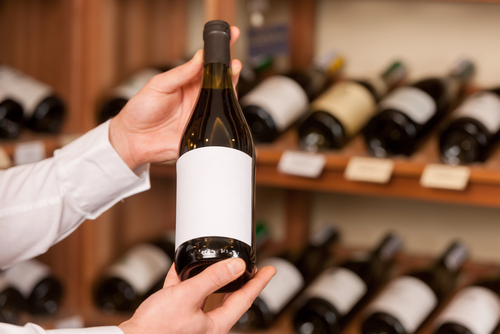
Standing in front of a wall of bottles—whether in a boutique shop or browsing online—can feel overwhelming. Each label tells a story, but unless you know how to read it, that story can seem like another language. At Uncorked Memories, we believe great wine should never feel intimidating. With just a few key insights, you can learn how to read a wine label like a sommelier and confidently choose bottles that fit your taste, budget, and occasion.
The Story Behind Every Label
A wine label is more than a name—it’s a roadmap to where the wine was made, how it was crafted, and what you can expect from your first sip. Sommeliers use these details to anticipate a wine’s style, flavor, and structure before even opening the bottle. Once you understand the basic components, you’ll start to see labels not as puzzles—but as clues that lead you to wines you’ll love.
1. Producer: The Heart of the Story
At the top or center of most wine labels, you’ll find the producer’s name—the winery, estate, or vineyard that made the wine. This is your first signal of quality and style. For example, family-owned vineyards often emphasize craftsmanship and tradition, while larger estates may focus on consistency and recognition.
At Uncorked Memories, we carefully select producers whose reputations reflect authenticity, sustainable practices, and exceptional craftsmanship—so every bottle we offer tells a genuine story from vine to glass.
2. Region and Appellation: Where It Comes From Matters
Wine is deeply shaped by its origin. The region listed on a label—like Bordeaux, Napa Valley, or Tuscany—reveals the grape varieties allowed, the climate, and even the soil type.
When you see an appellation (like AOC, DOCG, or AVA), it signifies official recognition of the region’s winemaking standards. Generally, the more specific the region listed, the more distinctive the wine’s personality. A bottle labeled “Sonoma Coast” will likely have broader stylistic range than one from a single vineyard like “Gap’s Crown Vineyard.”
3. Varietal or Blend: The Grapes Inside
The varietal tells you what grape or grapes are in the wine. In New World regions (like the U.S., Australia, or Chile), you’ll often see this front and center: Cabernet Sauvignon, Chardonnay, Pinot Noir. In Old World regions (like France or Italy), varietals are often implied by region—Bordeaux means a blend of Cabernet and Merlot, while Chianti means mostly Sangiovese.
Understanding this helps you predict the wine’s body and flavor: Cabernet Sauvignon brings bold structure; Pinot Noir is lighter and more elegant; Sauvignon Blanc is crisp and herbaceous.
4. Vintage: The Year in the Bottle
The vintage indicates the year the grapes were harvested. Weather plays a huge role in wine quality—so the same vineyard can produce very different wines from year to year.
If you’re collecting or gifting, the vintage also affects aging potential. Some wines are crafted for immediate enjoyment, while others evolve beautifully over time. At Uncorked Memories, our tasting notes always highlight vintage quality and drink windows to help you make the best choice.
5. Alcohol Content & Classification: The Subtle Clues
You’ll find alcohol by volume (ABV) listed near the bottom of the label. A higher percentage (14–15%) usually signals a fuller-bodied, riper style, while lower alcohol (11–12%) suggests a lighter, fresher wine. Some regions also include classification terms—like Reserva, Premier Cru, or Gran Selezione—which indicate the level of aging or vineyard prestige.
6. Back Label Insights: Flavor, Pairings & Personality
The back label often contains a treasure trove of information—flavor notes, ideal pairings, and winery stories. This section bridges the technical details with the emotional side of wine: what you might feel when you open that bottle.
Uncorked Memories curates wines that balance both—the facts that sommeliers love and the feeling that turns a bottle into a moment worth remembering.
Final Sip
Learning how to read a wine label is like learning a new language—one that leads to better choices, deeper appreciation, and unforgettable experiences. Each label holds clues about craftsmanship, origin, and story.
At Uncorked Memories, we make it easy to explore that world with confidence. Every bottle in our collection includes tasting notes and regional context, so you can shop online with the same confidence as a sommelier. Because wine isn’t just about what’s in the bottle—it’s about the story it tells, and the memories you create when you uncork it.